Lights, Camera, Advocacy: How Cinema Inspires Cancer Awareness and Survivorship
Cancer can be a daunting word. The moment you hear it, your heart sinks, and your thoughts race, often spiraling into a vortex of fear and uncertainty. But what if there was a powerful medium that could transform this narrative into one of hope, resilience, and knowledge? Welcome to the world of cinema and health, where film becomes a transformative force that not only entertains but also educates and ignites crucial conversations about cancer awareness and survivorship. After all, who doesn’t remember a movie that profoundly impacted their life? Films have that ability to connect us with our emotions, provoke thought, and most importantly, foster community support and discourse. Let’s explore how cancer films influence advocacy and empower individuals navigating their cancer journeys.
Throughout history, cinema has played an undeniable role in shaping societal narratives. Remember when “The Fault in Our Stars” swept through audiences, humanizing the experiences of young cancer patients? This wasn’t just a film; it was a catalyst for cancer discussions, shedding light on issues that many didn’t even know existed. Movies can spark dialogues about treatment options, health awareness, and the reality of survivorship. In fact, studies show that viewers who engage with oncology blogs or wellness blogs after watching such films report feeling more informed and empowered to discuss the complexities of cancer, from emerging therapies to holistic health approaches. This collective understanding reinforces we’re not alone in this journey.
Can cinema truly change lives? According to advocates within the oncology community, the answer is a resounding yes! Film not only reflects societal attitudes towards cancer, but it also shapes them. One unforgettable quote from filmmaker and cancer survivor, Shonda Rhimes, resonates deeply: "When you tap into art, you tap into something amazing." By storytelling through direct narratives, filmmakers can raise cancer knowledge, showcase patient advocacy, and change perceptions. Every story told on screen has the potential to influence healthcare resources, ensuring that accurate and actionable information is accessible to audiences everywhere. The question is, are we utilizing cinema's full potential to drive this vital advocacy forward?
As we delve into the impact of film, we must also recognize the importance of community support networks that are often highlighted in these narratives. Many cancer films provide audiences with a roadmap to understanding how lifestyle changes and emotional support can make a difference in navigating cancer. For instance, the documentary “Heal” not only explores treatment options but also emphasizes the significance of a positive mindset and communal support in the healing process. This interactive storytelling fosters empathy and can lead to a greater willingness for people to take part in support networks or seek educational resources that can aid in their own or a loved one’s battle with cancer.
Finally, as cinephiles and advocates, we must encourage conversations around projectors running in every community. Let’s keep film reviews alive that spotlight the best cancer-related movies and their influential narratives. What movies resonate with you? Do they inspire action in health awareness? It is our responsibility to amplify these stories, ensuring they serve as gateways to broader discussions about cancer research updates and wellness. In doing so, we not only honor the struggles and triumphs of those battling cancer but also equip ourselves with the knowledge and resources to drive changes in advocacy, fostering a healthier tomorrow, one frame at a time.
From Screen to Support: How Movies Elevate Patient Voices and Awareness
Imagine this: you’re sitting in a dimly lit theater, popcorn in hand, when a powerful story unfolds on screen—one that mirrors the trials and triumphs of cancer patients and survivors. Movies have a unique ability to captivate our hearts and minds, but they also serve a deeper purpose: raising awareness about cancer and the profound experiences of those affected. From inspiring documentaries to impactful fictional narratives, cancer films create dialogue around critical issues like patient advocacy, treatment options, and community support. With this in mind, let’s delve into how cinema and health become intertwined, supporting both patient voices and raising health awareness in the broader public sphere.
Have you ever wondered how a film can transform how society views cancer? The history of cinema is replete with portrayals that range from the tragic to the inspiring; each articulating the journey of individuals walking the challenging road of survivorship. These stories ignite conversations that go beyond the screen, breaking the silence surrounding cancer discussions. For instance, consider the influential film "The Fault in Our Stars," which not only captivated audiences but also encouraged discussions around living with terminal illness and the power of love amidst suffering. Such films lay the groundwork for educational resources that can guide viewers to organizations focused on patient advocacy and support networks.
In the realm of healthcare resources, films often serve as a rich tapestry, weaving together personal narratives with vital information on emerging therapies and holistic health practices. Through glimpses into real-life experiences, these cinematic narratives shed light on the emotional rollercoaster associated with cancer treatments, lifestyle changes, and the importance of community support. Viewers can relate to the characters—can feel their struggles and victories—and in turn realize they are not alone in their journeys. By drawing inspiration from these characters, cancer patients may feel empowered to seek the wellness blogs and cancer research updates that provide them guidance and reassurance.
Moreover, the art of film reviews plays a crucial role in shaping public perception and encouraging audiences to engage with these significant themes. A well-crafted review not only shares opinions about the movie's quality but also highlights the essential conversations stirred by the film. Reviews that delve deeply into the socio-political implications or the mental health nuances depicted in cinema can elevate discourse around cancer awareness significantly. They foster a landscape where patients feel supported, validated, and motivated to explore the treatment options available to them whilst connecting them to helpful support networks in their own communities.
As we reflect on the power of cinema in advocating for health awareness, we realize that films are not just a form of entertainment; they can also serve as a beacon of hope, empowering individuals affected by cancer. From the couch to the cinema, every story matters and every voice deserves to be heard. So, the next time you watch a cancer film, consider the dialogue it opens—a conversation that could change lives while bridging the gap between oncology and public awareness. With an open heart, we can all become advocates for change, utilizing the magic of cinema to elevate the stories that truly matter.
Navigating Treatment and Hope: The Role of Cinema in Cancer Journeys
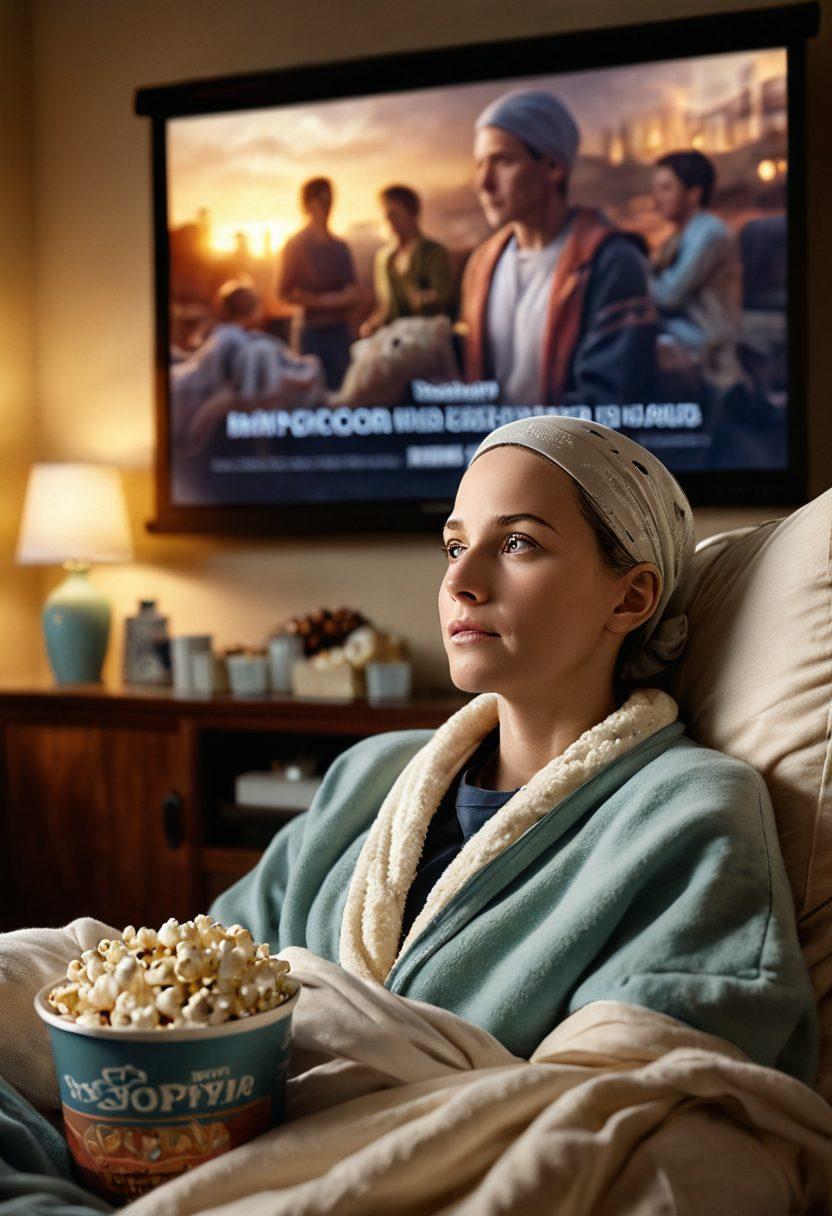
Imagine sitting in a dark theater, the subtle whisper of popcorn in the air, as powerful stories of courage unfold on the big screen. Cinema has always been an art form that transcends barriers, allowing us to connect with emotions that might be difficult to express in words. When it comes to navigating the journey of cancer, films can serve not just as entertainment, but as a vital source of hope, education, and community support. From compelling cancer films that showcase real-life struggles to uplifting stories of survivorship, cinema helps illuminate the path for many facing the challenges of treatment options and recovery.
Stories have an incredible way of resonating with our own experiences. In the context of an oncology blog, cancer films can highlight the myriad emotions faced by patients, families, and healthcare providers alike. A memorable quotation by the acclaimed filmmaker Federico Fellini rings true in this regard: "All art is autobiographical; the pearl is the oyster's autobiography." Each narrative in cancer films speaks to the real-life struggles of individuals dealing with a diagnosis, providing catharsis and solidarity. Have you ever watched a film that made you feel less alone in your journey?
As we navigate the often turbulent waters of cancer discussions, it's essential to recognize how cinematographic storytelling can serve as a powerful educational resource in health awareness. The more we see these narratives portrayed on screen, the more we understand the importance of lifestyle changes and holistic health in managing our wellbeing. From showcasing innovative emerging therapies to providing insights on patient advocacy, cinema can bridge the gap between medical expertise and human experience. Imagine watching a character face their diagnosis, followed by proactive choices that inspire you to reach out for community support or seek out cancer research updates.
One of the most poignant roles of cinema in cancer journeys lies in its ability to foster support networks. While words may fail us, a beautifully scripted scene can evoke feelings of empathy and understanding that facilitate deeper conversations about survivorship. When films depict characters supporting one another through difficult treatments, they model the essence of what it means to rally around loved ones facing illness. As you witness these moments, do you think of the support systems in your life or feel compelled to act as a pillar for friends and family who might be struggling?
In a world where medical information can often seem overwhelming, film reviews of cancer-related movies can offer a lens through which we can explore various aspects of this disease. From emotional narratives that humanize the patient experience to documentaries that spotlight healthcare resources, cinema strengthens our cancer knowledge base and encourages us to engage in meaningful discussions. Ultimately, it reminds us that while cancer is a formidable adversary, the human spirit is capable of extraordinary resilience and triumph. Are you ready to pick up the remote and discover the stories that could change your perspective on the cancer journey?